






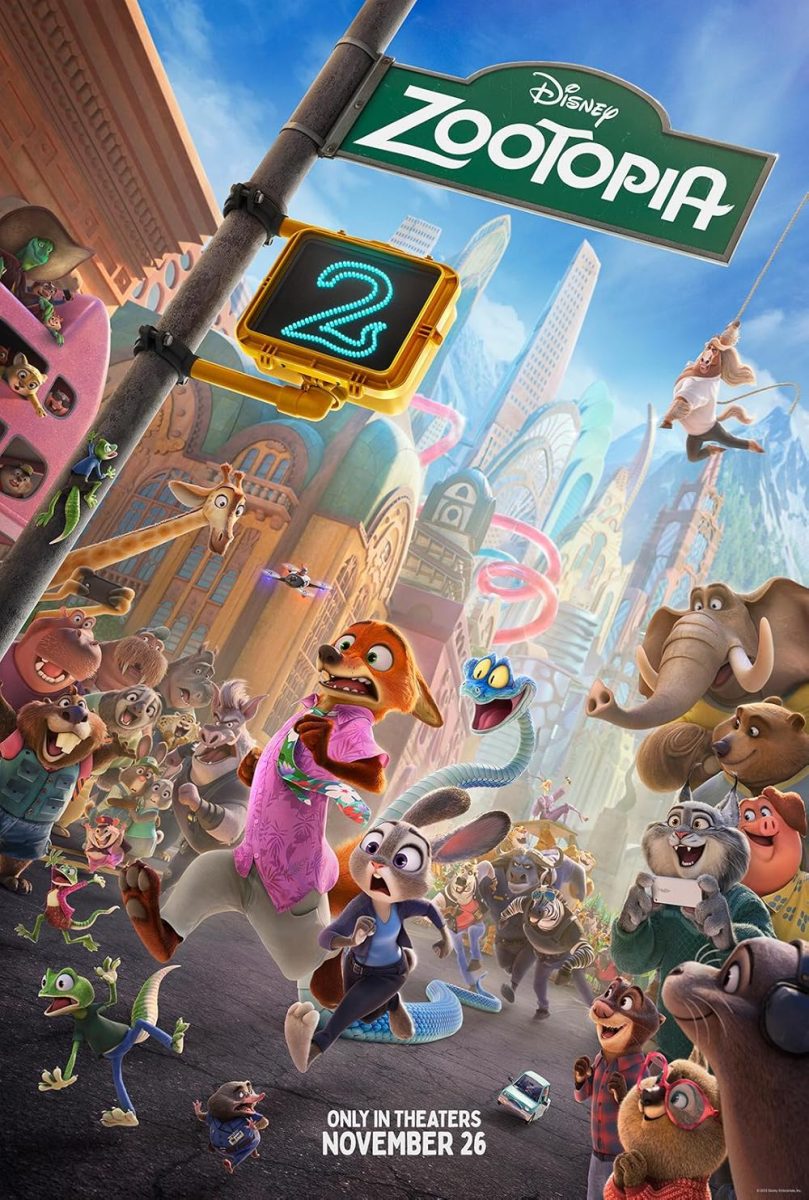
Zootopia 2 proves that a sequel does not need to reinvent its world to feel relevant. Instead, it builds thoughtfully on the foundation that made the original film resonate: a vibrant city, sharp social commentary, and characters who feel human despite being animals.
Reuniting audiences with Judy Hopps and Nick Wilde, the film leans once again into Zootopia’s core question—how a society built on diversity handles fear, mistrust, and change. While the first movie focused on prejudice rooted in biology, the sequel broadens its scope, examining how power, perception, and social narratives shape behavior in more subtle ways. The result is a story that feels timely without becoming heavy-handed.
Visually, Zootopia 2 is polished and confident. The city feels larger and more complex, with new districts that reinforce the idea that Zootopia is not a single unified space, but a collection of competing experiences. Animation is fluid and expressive, using small gestures and facial cues to convey emotion as effectively as dialogue.
The film’s greatest strength remains its character writing. Judy’s optimism is tested rather than celebrated outright, and Nick continues to balance humor with guarded vulnerability. Their partnership feels more mature, driven less by novelty and more by earned trust. The humor is sharp, often understated, and well-timed, making the heavier themes easier to engage with.
While the sequel occasionally plays it safe structurally, its emotional intelligence and thematic ambition prevent it from feeling redundant. Zootopia 2 succeeds not because it is louder or bigger than its predecessor, but because it understands why the original mattered. It is a sequel that respects its audience—especially younger viewers—by trusting them to think, question, and empathize.
Ultimately, Zootopia 2 reminds viewers that animated films can entertain while still asking difficult questions, making it a rare sequel that feels both purposeful and enduring.