





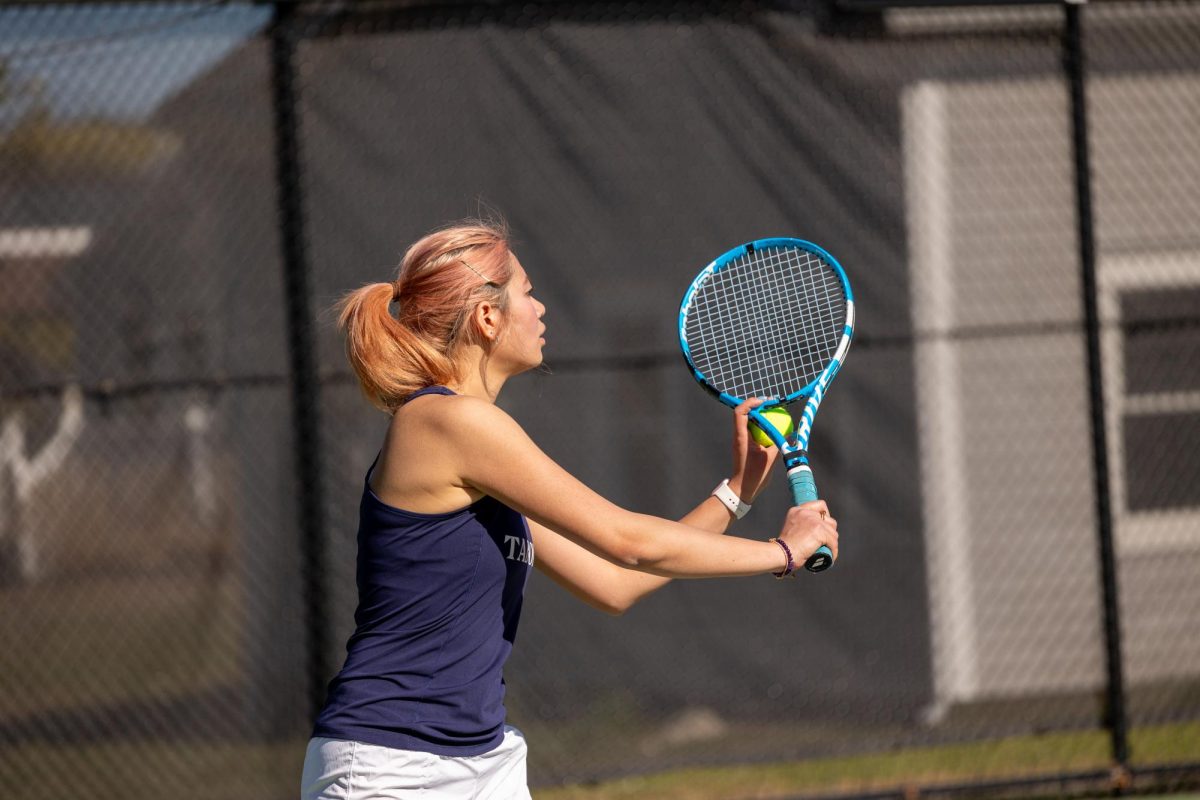
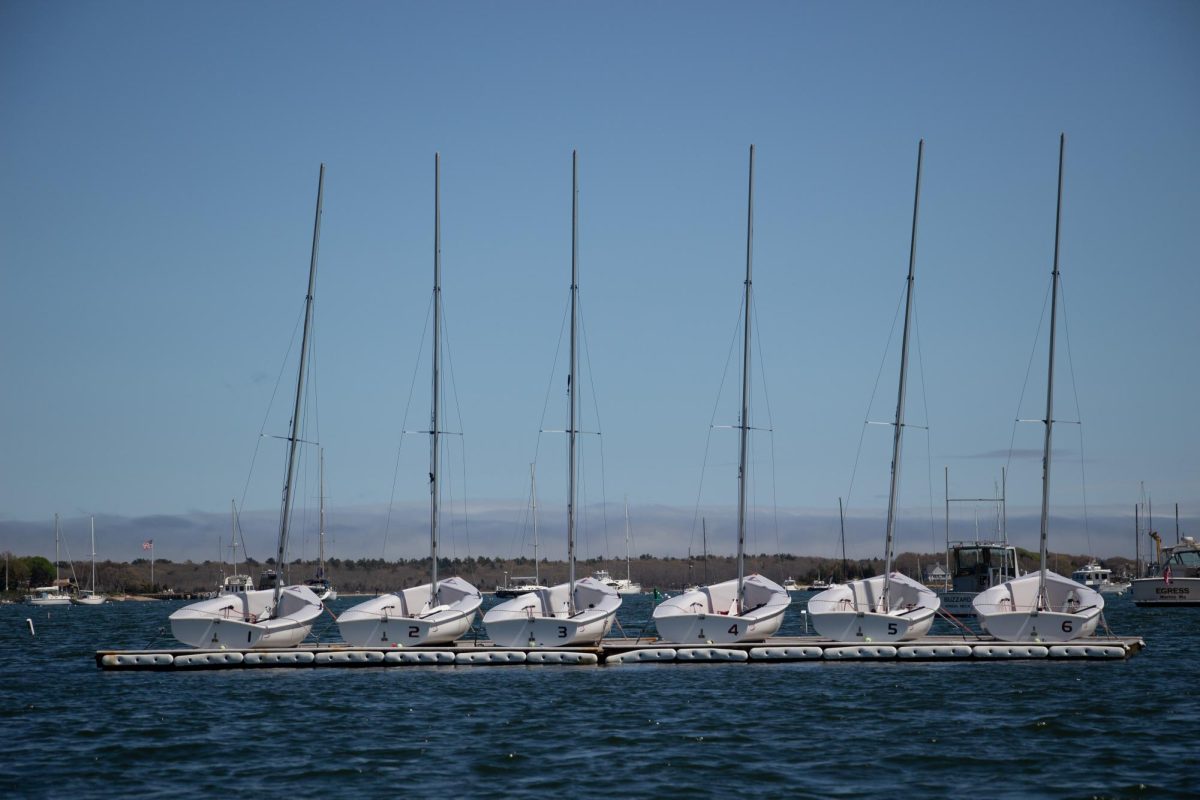
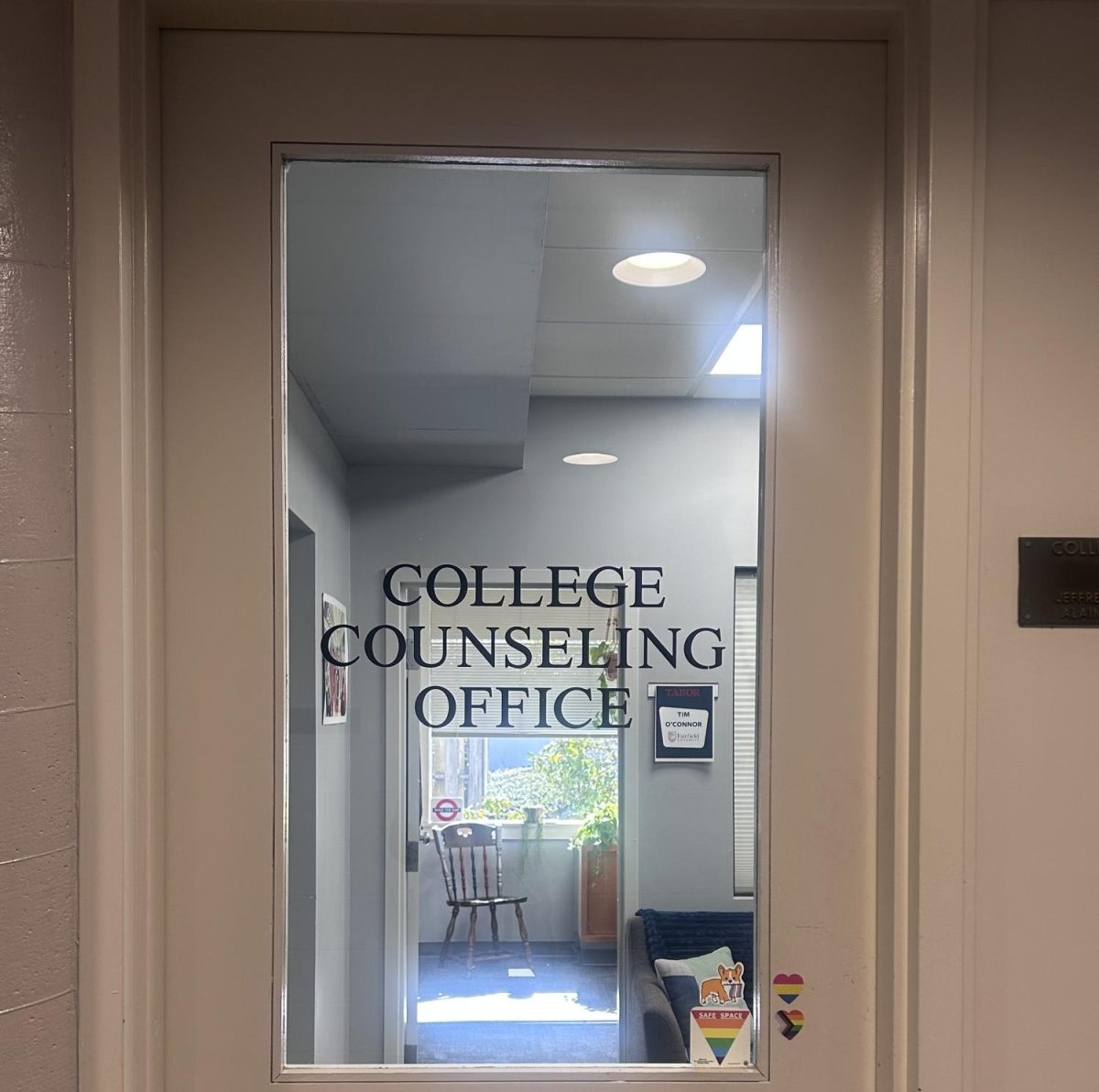
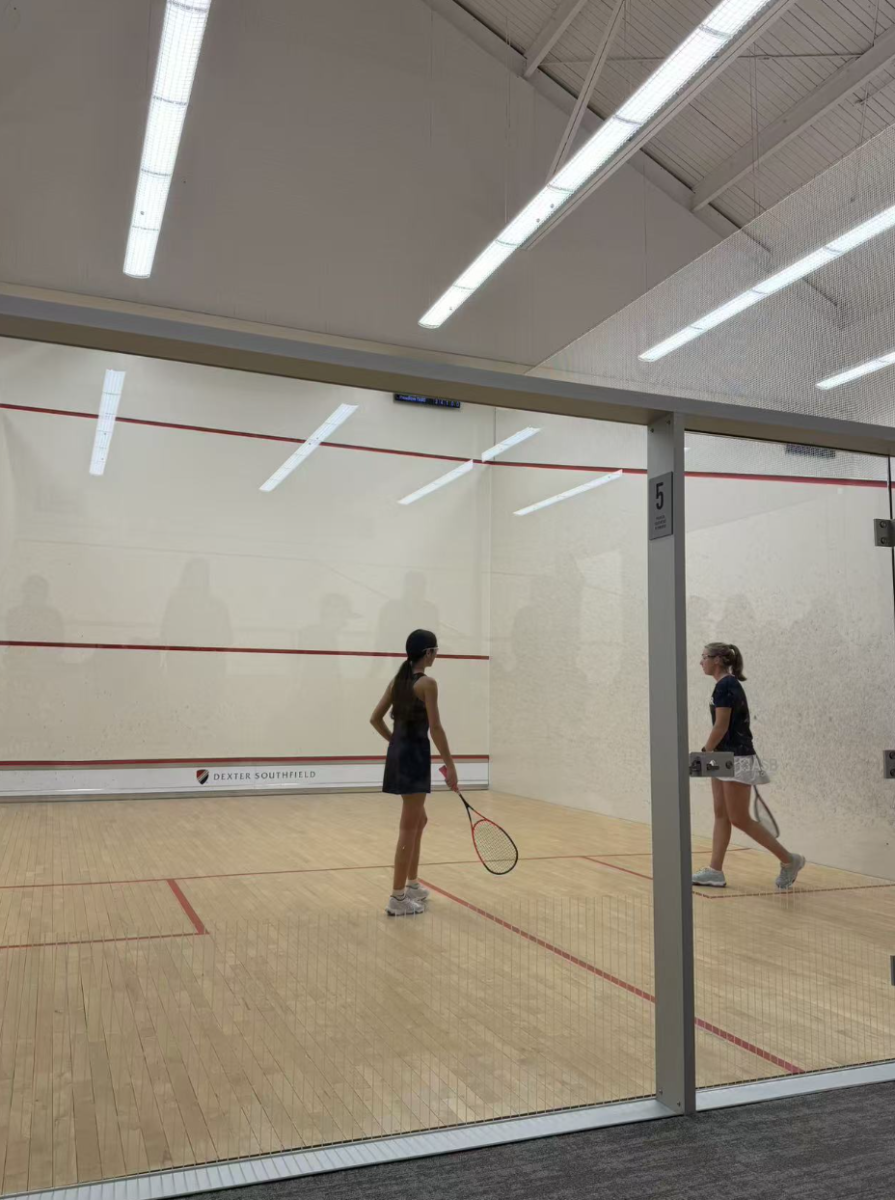
As an independent, college-preparatory boarding school, Tabor Academy’s goal should be clear: to ensure that upon graduation students are equipped with the necessary skills to excel in all aspects of life beyond the confines of campus. With that in mind, Tabor students should have the opportunity to engage in the arts and athletics, but most importantly, to follow a rigorous curriculum that is expected of an elite educational institution. The number of recent changes, such as the renovation of sports facilities and the implementation of new academic policies, begs the question: where do Tabor’s values lie as an institution? More specifically, is Tabor placing too much emphasis on athletics as opposed to the arts and academics?
To better understand the relationship between academics, athletics, and the arts, faculty members in all three areas were consulted to provide insight.
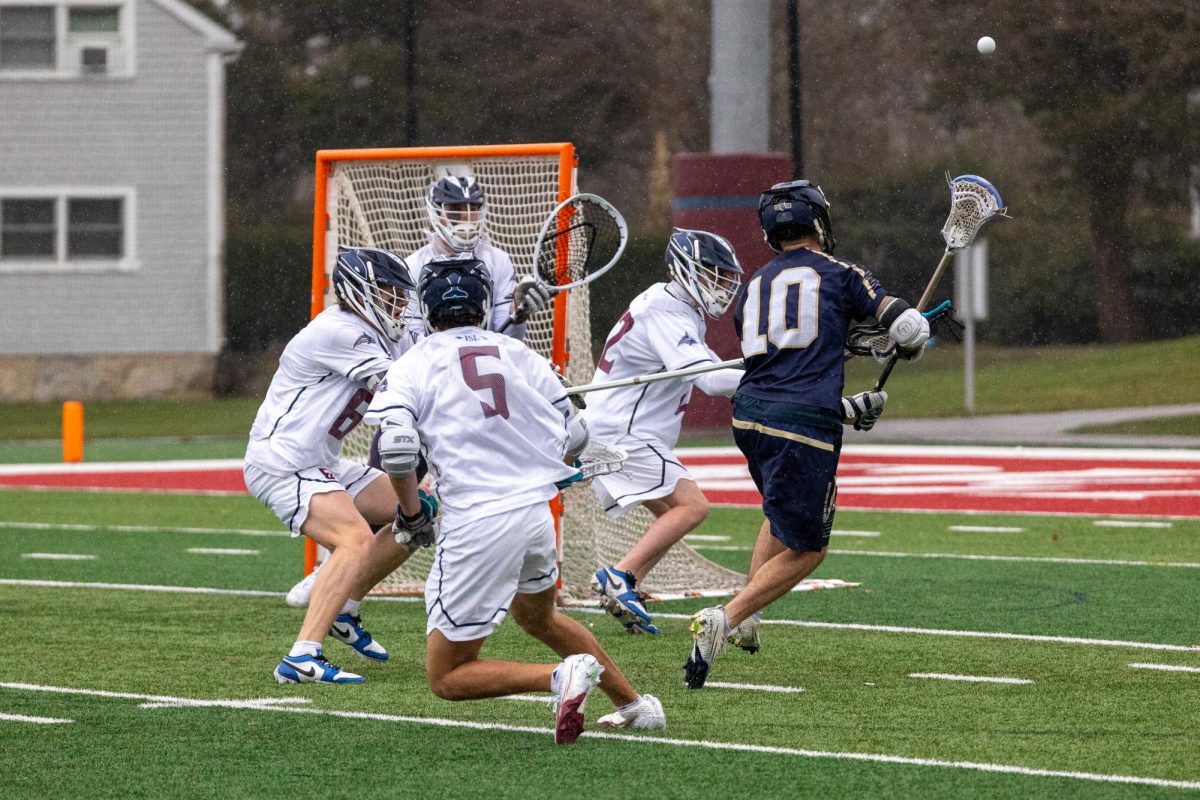
It’s impossible to deny that the Tabor athletics program has a positive effect on the school as a whole. Academics aside, one major benefit of a more prominent sports culture is the impact it has on the community. Fall sports in particular play a huge role in raising school spirit.
Mr. Will Becker, Chair of the Math Department and Girls Varsity Basketball Coach, notes, “The energy that comes along with sports can be great for a school as long as there’s balance.”
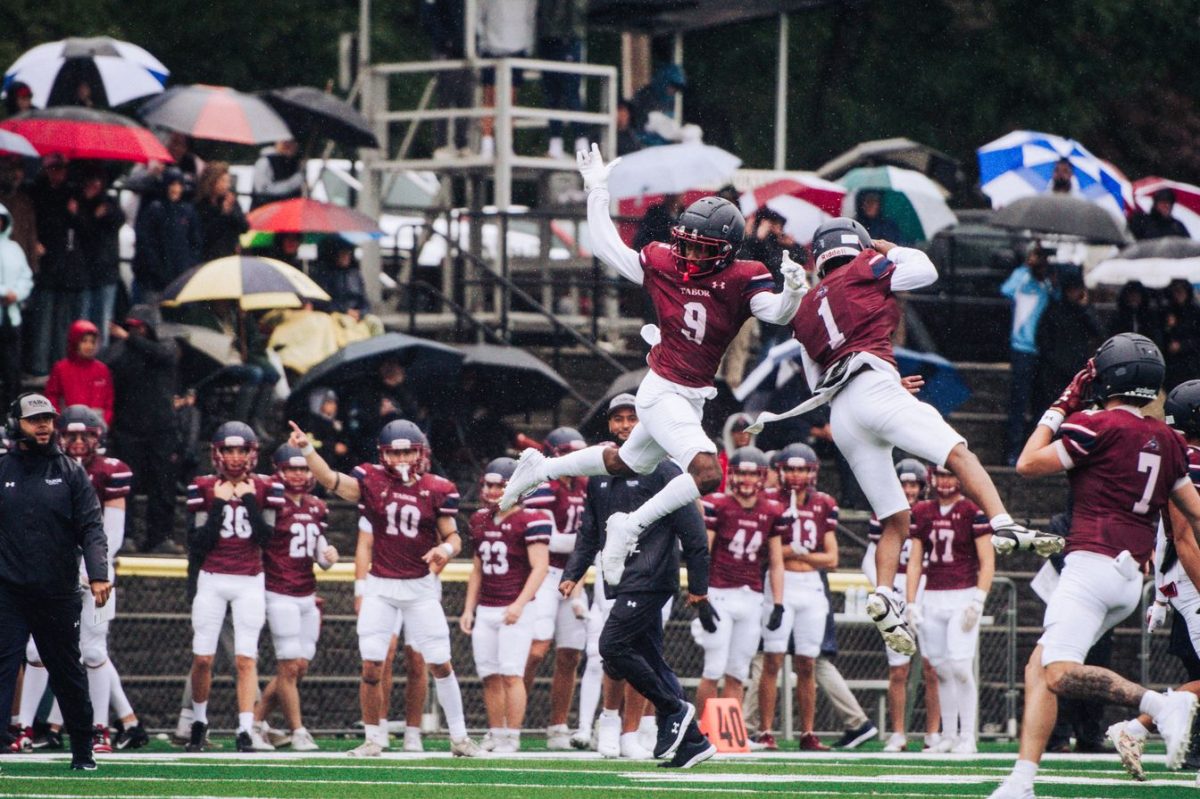
Tabor’s football team is exceptionally strong; Mrs. Mary Kate McCain, Co-Director of College Counseling and Tabor’s NCAA liaison, suggests that football is the school’s “biggest shift.” The team’s success in recent years has increased the school’s popularity and contributes to the visibility of both Tabor football players, as well as the Tabor and college recruitment processes.
Mr. Jeff Moore, Associate Athletic Director and Head Football Coach, also noted the positive effect Tabor sports has on not only the school community, but the local community as well. Friday night lights football games have upwards of 2,500 attendees, many of whom are not affiliated with Tabor. Strong sports provide positive publicity for the school, which in turn benefits other programs.
If Tabor is getting increased attention for sports, it’s drawing in more applicants and raising the school’s overall status.
Given that Tabor touts its strong athletics, what is the school looking for in incoming student athletes? In terms of Tabor’s athletic recruitment in general, according to Moore, all coaches have “the same line of communication to admissions,” regardless of the sport. Unlike college recruitment, Tabor’s sports recruits are expected to check several boxes, including being a proper fit as both a student and an athlete.
It is important to recognize that sports recruitment at Tabor looks slightly different than sports recruitment at the collegiate level.
Tabor coaches are permitted to reach out to prospective students; however, the admissions process is holistic. If an applicant has talent in a specific area, and the school needs a student with that specific talent, they may be prioritized in the admissions process. Tabor does not offer athletic scholarships or fund campus visits for student athletes like a division I university could. The bottom line is that Tabor does recruit athletes, even though that process may be different than the college recruitment process.
Becker provides a unique thirty-four-year perspective on the relationship between sports and academics. As a high-level math teacher and exceptional basketball coach, Becker has had the privilege of teaching some of the most academically and athletically talented students at the Academy. Becker claims that the “general student is stronger than the average student 30 years ago,” suggesting that admissions standards have increased.
Once an athlete’s career at Tabor comes to an end, what does the recruiting process look like for college? McCain has a strong understanding of the requirements for student athletes looking to be recruited from Tabor. Only 28% of the class of 2026, 23 females and 19 males, were recruited to play in college. Why does it feel like the sports culture is so dominant even though only 28% of the senior class is going to play in college? Football. The reality is sports recruiting has become significantly more competitive, and the football team simply has more players looking to be recruited.
One common misconception, however, is that athletes go through an “easier” college process. While the NCAA requirements for student athletes set a low bar, students looking to be recruited to elite academic institutions must maintain exceptional academic standing. Recruited college athletes are still putting in the work, and Tabor’s job is to support them in both their academic and athletic pursuits.
What are the academic standards for student athletes?
Moore says, “It’s important for players to be well rounded. They need to be engaged in Tabor’s classroom.”
According to the athletics department, students are just as engaged in the classroom as they are in the gym. Moore says, “All athletes have some sort of rigor, in one way or another.” Some of that rigor is a byproduct of Tabor’s graduation requirements, which exceed NCAA requirements. Most students at Tabor take at least 20 core courses; the NCAA only requires a student athlete to take 16.
Tabor should ideally provide all students with an education that sets them up for success, so even Tabor’s most successful athletes should be interested in pursuing academic excellence. Moore suggests that Tabor wants kids to “reach their ceilings.”
Are both athletes and non-athletes still pursuing the same level of academic rigor?
When asked if there is an academic gap between athletes and non-athletes, Voci said, “The gap is something that exists at all boarding schools, especially since there’s an expectation that students participate in a cocurricular. Students who don’t have a desire to be good at anything, whether that be academic or athletic, will have a tough time.”
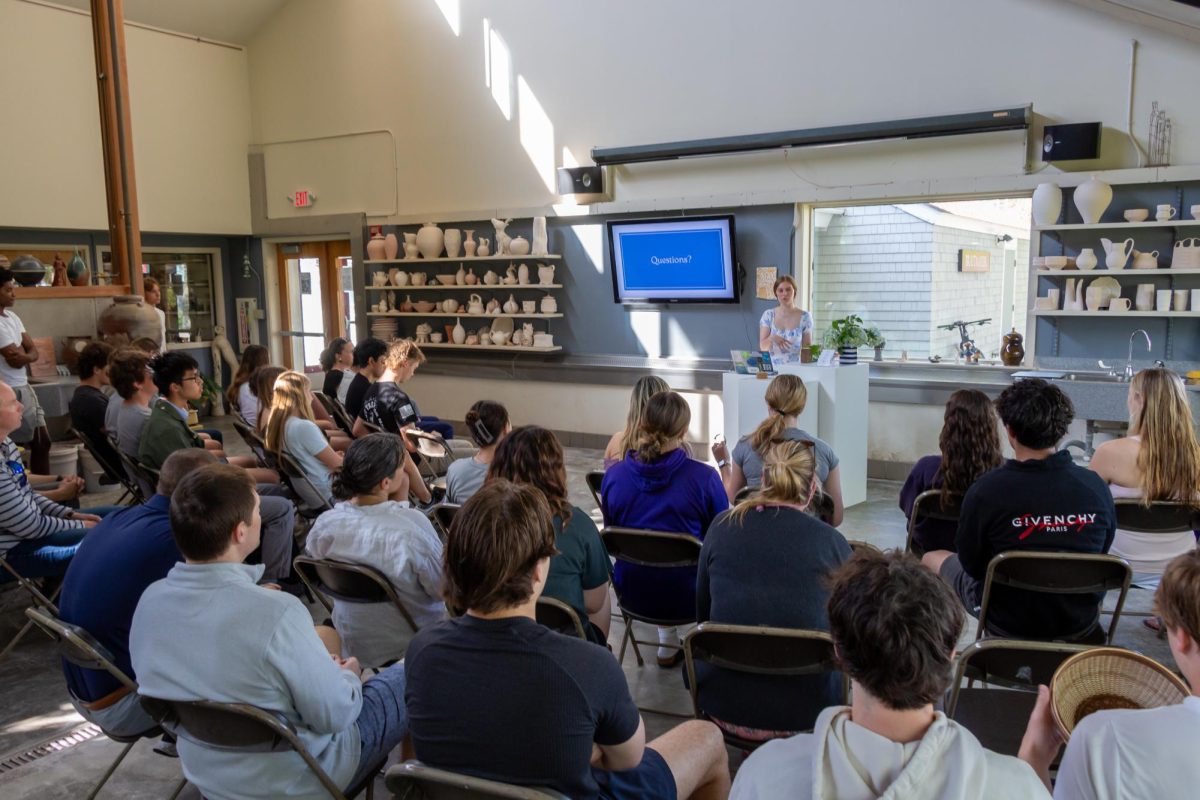
In terms of the art department, Ms. Tricia Smith, Visual Arts Teacher & Coordinator, suggests that the clashing of the arts and sports culture has shifted over her time at Tabor. When she began teaching in the ’05/’06 school year, the arts requirement was essentially equivalent to what it is now; however, it was more common for a student to be an artist and an athlete.
Another change that Tabor has made in recent years allows students to play club sports outside of school. Smith noted that the rise in club sports has become an even larger challenge for art co-curriculars. Club sport athletes will take advantage of the art cocurricular offerings in order to fulfill a Tabor requirement while continuing to play their sport outside of school. This results in the art cocurricular offerings filling up with students that don’t actually care for the arts, diminishing the quality of the arts program.
She appreciates that this current administration supports the art programs and believes in the idea of a well-rounded student.
“Tabor has always tried to honor the arts by keeping the requirement robust and the offerings wide,” she says.
One point of frustration for Smith has to do with the school’s need for an art gallery. As long as she’s been at Tabor, she has tried to make the gallery happen, but she says there is not a “deep amount of interest” among those that would play a role in initiating this project. Meanwhile, sports facilities are undergoing significant renovations and receiving considerable funding. The biggest disparities between the art programs and the sports programs are undoubtedly monetary and social. Does this mean that Tabor is a sports school?
Smith answers, “Maybe.”
While the art program may not be Tabor’s main attraction, students tend to find it when they least expect it.
Ms. Jesse Hawley, Chair of the Arts Department, says, “There is at least one chapel talk a year about sports injury which leads to the discovery of something new. Students don’t come to Tabor for the arts, but once they realize how strong the program is, it can be a transformative experience.”
Does the relationship between the arts, academics, and athletics influence Tabor students? McCain notes that she is seeing new trends in the college search process.
She says, “Tabor students are looking for bigger schools where they feel like they can get a sense of community.”
These schools are often known for having strong sports/football teams and more prominent Greek life. These trends raise the question: Is the sports culture, more specifically the football culture, impacting the kind of environment that Tabor students want to be a part of after graduation?
Regardless of student interests and strengths, Voci says, “The school shouldn’t apologize for being excellent at something. While the sports culture at Tabor is everchanging and is currently being overly defined by the success of the football team, the goal is to be excellent at everything that we do. Students should have desire to be great, whether that be in academics, athletics, or the arts. Tabor’s ultimate goal is to give students the best experience possible.”
Is Tabor a sports school? Yes. Is Tabor only a sports school? No. Tabor has always had strong sports programs, but there are other programs that are just as strong. One major difference with Tabor’s sports programs is that they tend to generate more attention than other programs. Is it possible to come to a definitive conclusion? Tabor is strong in several areas, and reducing the school’s identity to one domain is impossible. With this in mind, students should take advantage of all that Tabor has to offer and shouldn’t be afraid to strive for excellence in whatever they do.