










Below is an interview with Mr. Voci about the Mid-term Exams and Final Exams
1) What specific problem(s) are you trying to solve by bringing back midterms and finals, and what evidence shows those problems exist at our school?
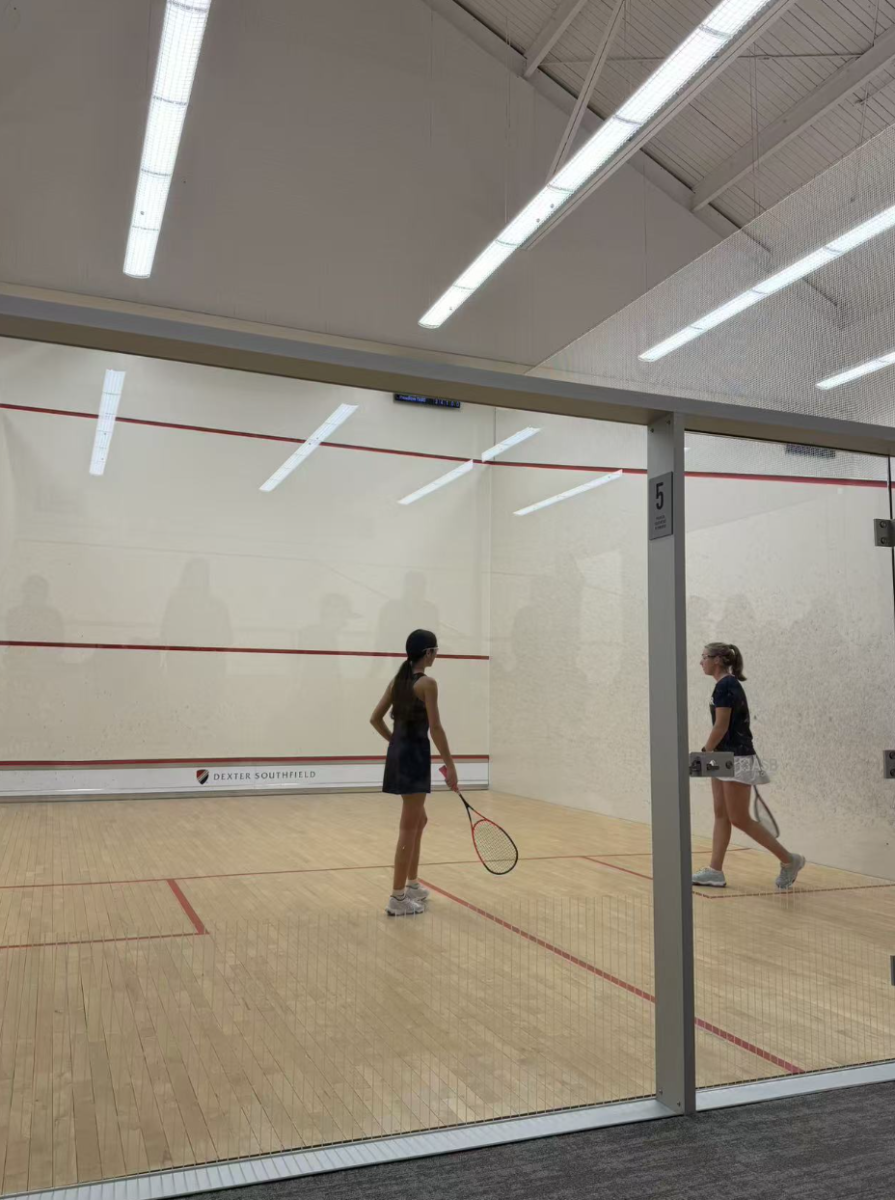
“So the barometer for success is: are we preparing students for colleges and universities – strong, elite colleges and universities? Those schools have tests.” If the next step for students is college or university, “then we should prepare them for that,” because “you wouldn’t make somebody who has never played squash enter a squash tournament.” Failing to prepare students for exams, he argues, “is a dangerous thing to do.”
He also emphasized that preparation itself is part of the problem. “The problem of success is the opportunity for preparation,” and if “the week leading up to and going into midterm exams is a circus on campus, we’ve failed a little bit as educators…and as an institution,” because “we’ve failed to set an academic tone that expects students to perform at a high level and want to do well.”
In other words, Mr. Voci is looking for a campus culture that supports focused preparation and excellence, rather than last-minute chaos.
2) What are the main goals of the policy, and which goal matters most?
The primary goal is preparation. Mr. Voci also wants academic excellence to reflect the same mindset already seen elsewhere on campus. “It’s one of the things I enjoy-this desire for excellence. We have athletes who want to be excellent, musicians who want to be excellent, academics who want to be excellent.” That desire, he explained, “requires practice and dedication,” and he hopes those habits carry into exam week.
While midterms and finals can increase consistency across teaching teams, that is not the main reason for the change. “That consistency was never one of my leading factors,” he said. “We are not having midterm and final exams so that more teachers are in lockstep with each other.”
3) How will you measure whether this change “worked” after one year—what concrete indicators will you look at?
One key indicator is how students prepare. Mr. Voci is watching for an environment that promotes academic seriousness and disciplined preparation. Although he acknowledged that this is difficult to quantify – “as a mathematician, it’s hard for me to talk about measuring feelings” – he is still looking for visible indicators on campus that show a stronger academic tone.
4) What steps are you taking to make the policy equitable for students with different resources, backgrounds, and test anxiety?
Mr. Voci emphasized early planning and communication. “Beginning in the first trimester this year, I was in communication with our learning support team and one of our counselors” to create resources that help students prepare. He explained that “many anxieties exist in the world of unknowns,” so reducing uncertainty matters.
That is why logistics are shared well in advance. “I wanted students to know where they’re going to be, on the day they’re going to be there.” Organization, he said, is the first step toward reducing stress.
In addition, the school has created scaffolding materials to help students organize their studying and is openly acknowledging that exams are stressful. During exam week, there will also be practical support such as a support dog and snacks during afternoon study sessions.
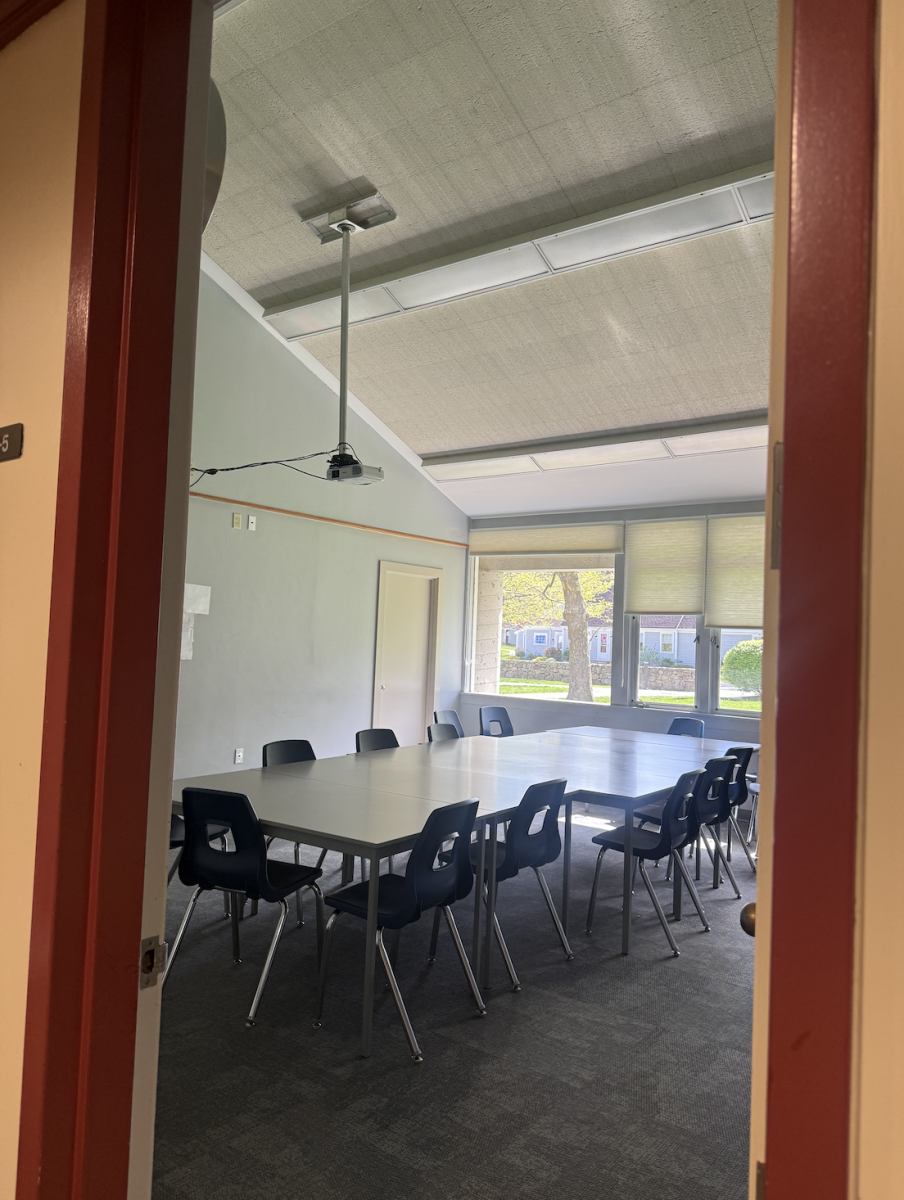
Students with documented learning accommodations will continue to receive appropriate support, primarily through small-group testing and extended time. Extended-time exams will take place in a designated space: Fish Bay 3, with a three-hour testing block instead of the standard two hours.
5) How will this policy affect day-to-day teaching and learning—pacing, depth of content, and time spent reviewing?
In terms of daily instruction, Mr. Voci pointed to schedule changes that increase academic time. This year, students meet classes “five blocks a day… and three blocks on Wednesdays… for a total of 23 meetings,” meaning “you meet your classes this year significantly more frequently than you did last year.” Along with “a small extension to the length of our day,” this creates “a significant increase in academic time.”
Because of this, “teachers have more time and more blocks to accomplish the same curriculum,” which “bides them time to implement review days” and allows “opportunities to revisit material if necessary.”
However, how review is handled varies by course and teacher. “It really depends on the course and the style of the teacher,” he said. In advanced classes, “there’s no guarantee that review is necessary,” since “the expectation should be that you’re capable of reviewing over the weekends and in the evenings.” Decisions about review, he emphasized, are “left up to the discretion of the teachers.”
Midterms and finals may also help align pacing across multi-teacher courses by “increasing the assurance for consistency on course teaching teams,” but “our goal shouldn’t be for those to be the exact same.” One of the strengths of independent schools, he noted, is having teachers who are “masters of their discipline,” and in small classes, “if it becomes a 30- or 40-minute conversation, that should be okay.”
6) If the policy leads to higher stress or worse outcomes for some students, what would make you revise it, and what changes would you consider?
Mr. Voci acknowledged that exams may increase stress and affect grades. “Should students feel more stress about this? Could it affect their GPAs? Sure it could—I don’t deny that.” However, he does not believe stress alone is a reason to remove exams. “I don’t think because someone is stressed out about taking a test, the result is to move away from the test.” He compared exams to athletics, saying, “It’s stressful for a student to participate in a game. You’re not going to play the game anymore? No—it means more practice is necessary. It means more preparation is necessary.”
Rather than eliminating exams, he sees adjustment as increasing support and reflection. This includes “follow-up conversations with advisors the week after exams,” asking students, “How did you feel during exam week? What did you learn about yourself? What would you have done differently?”
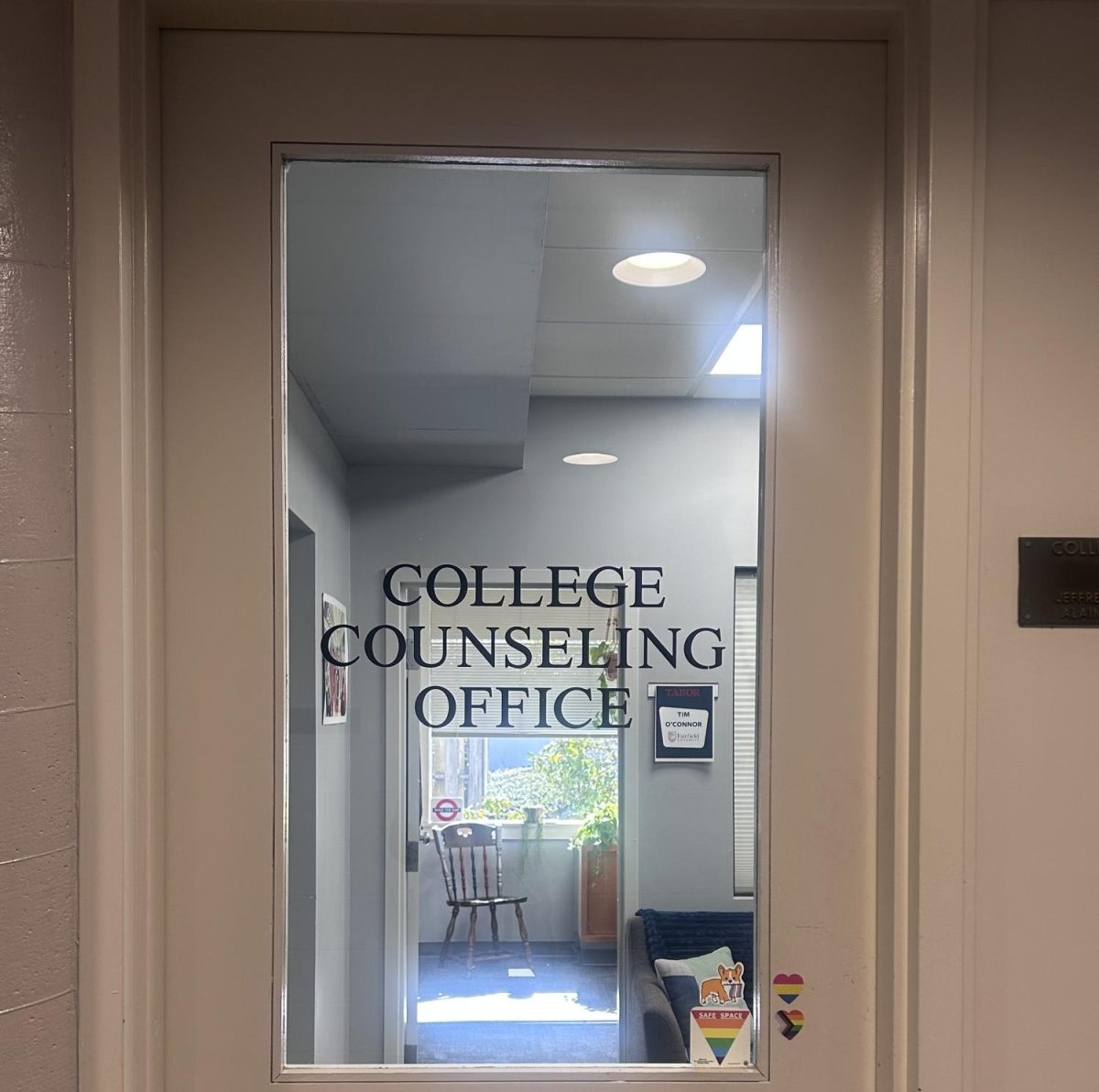
For students experiencing unhealthy stress, he emphasized the importance of communication and support: “That might be counseling, learning support, peer tutors, or seeing their teachers,” and students should “communicate with your advisor and communicate with your teachers so that the surrounding resources are available.”